
Men’s Leather Jackets
A mens leather jacket is a hip length outer layer cut from tanned animal hide,
most often lambskin, cowhide or goatskin, and the cut you choose matters more than the colour.
Our mens leather jackets run from slim cafe racers and classic biker jackets through to bombers,
truckers, blazers and shearling collared aviators, in real hide rather than coated fabric,
sized XXS to 3XL and made on our own production floor since 2013.
XXS to 3XL
30 Day Returns
Made By Us Since 2013
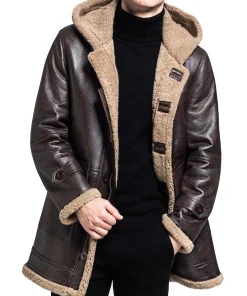
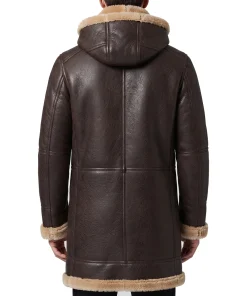
Mens Leather Jackets
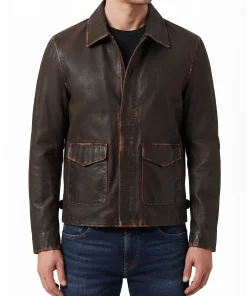
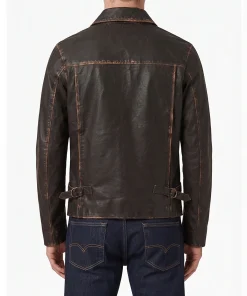
BEST SELLER
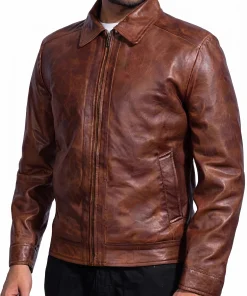
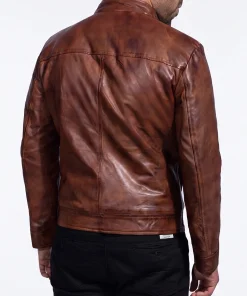
Mens Leather Jackets
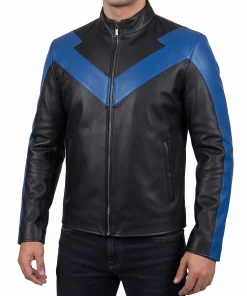
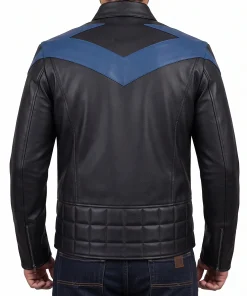
Mens Leather Jackets
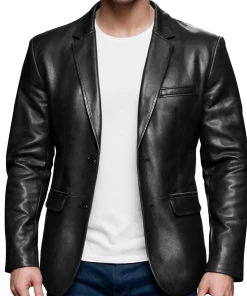
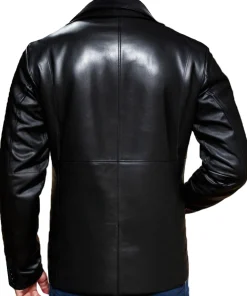
Mens Leather Jackets
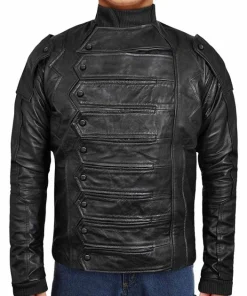
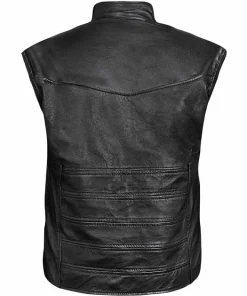
Mens Leather Jackets
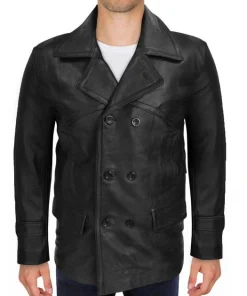
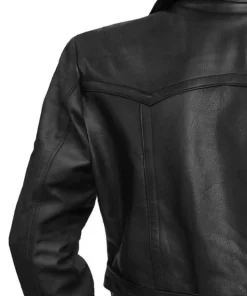
Mens Leather Jackets
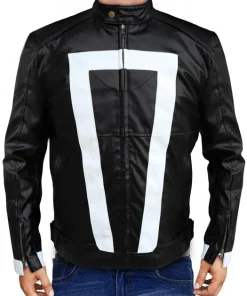
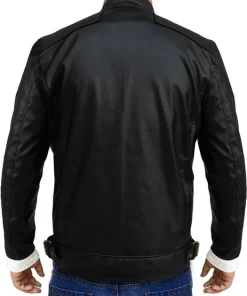
Mens Leather Jackets
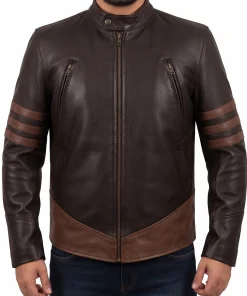
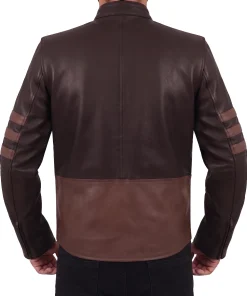
Mens Leather Jackets
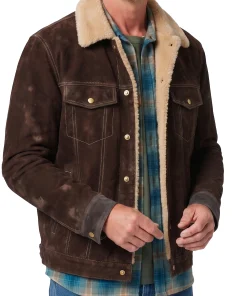
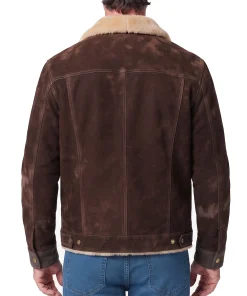
Mens Leather Jackets
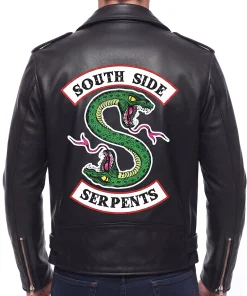
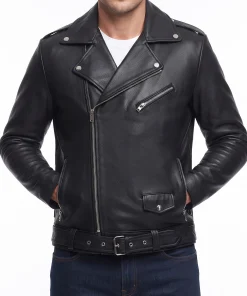
Mens Leather Jackets
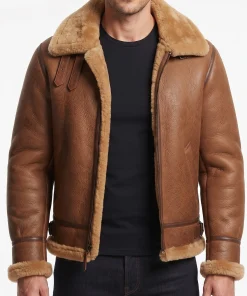
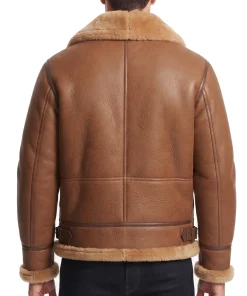
Mens Leather Jackets
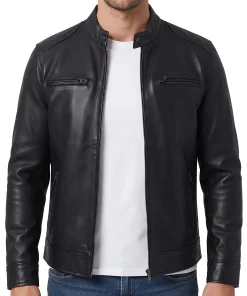
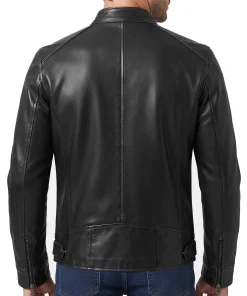
Mens Leather Jackets
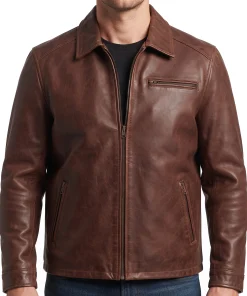
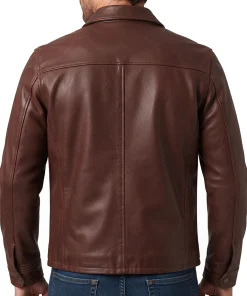
Mens Leather Jackets
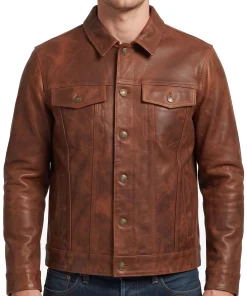
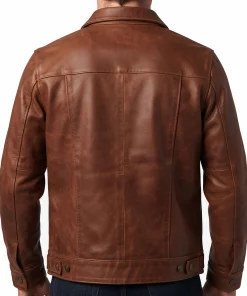
Mens Leather Jackets
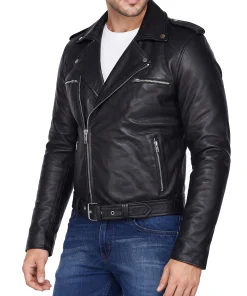
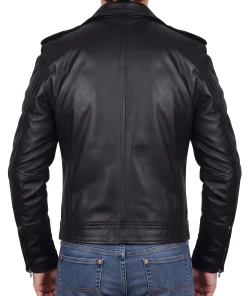
Mens Leather Jackets
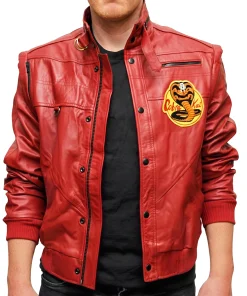
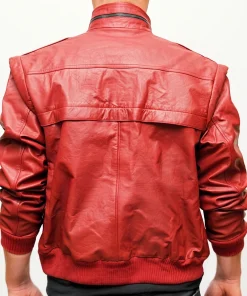
Mens Leather Jackets
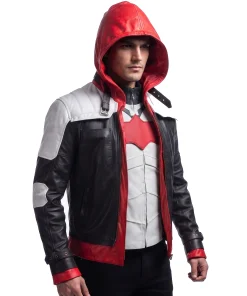
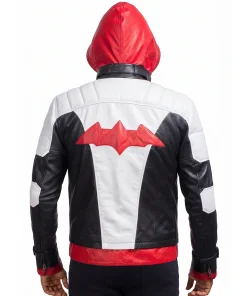
Mens Leather Jackets
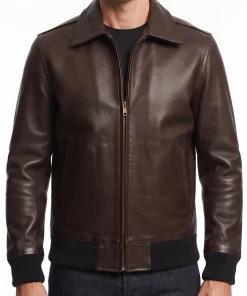
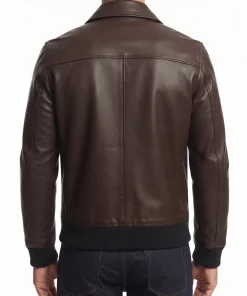
Mens Leather Jackets
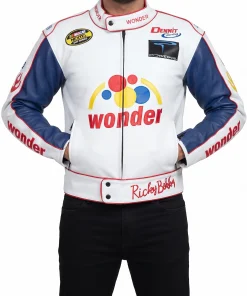
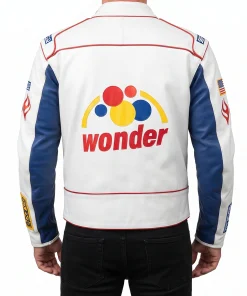
BEST SELLER
What is a Mens Leather Jacket?
A mens leather jacket is an outer layer made from tanned animal hide, cut to finish at or just below the waist, usually with a front zip or button closure and a fabric or quilted lining.
Everything after that is variation. The hide can be lambskin, cowhide, goatskin or sheepskin. The cut can be a biker, a bomber, a cafe racer, a trucker, a blazer or a flight jacket. The finish can be smooth aniline, pigmented, distressed or suede. Two jackets at the same price can behave completely differently depending on which combination you are holding.
Biker versus Bomber versus Cafe Racer
These three cuts account for most of what men actually buy, and they are not interchangeable.
| Style | Collar and Closure | Fit | Best For |
|---|---|---|---|
| Biker | Notch lapel, asymmetric zip set off centre, often a waist belt | Close through the chest | Anyone who wants the jacket to be the statement |
| Bomber | Ribbed collar, cuffs and hem, straight centre zip | Roomy through the body | Layering over a knit, everyday casual wear |
| Cafe Racer | Small band collar with a snap tab, straight centre zip | Slim and close to the body | Wearing under a coat, or over a shirt |
The biker cut came from the Perfecto, and every part of it had a job. The offset zip allowed a storm flap across the chest. The lapel folded back or buttoned down. The belt cinched the hem against wind. The cafe racer strips all of it away and leaves something closer to a leather shirt.
Beyond those three, the leather trucker gives you a shorter, boxier western cut with chest pockets and a button front. The leather blazer reads as tailoring rather than outerwear and works for semi-formal wear. The aviator with a shearling collar is the warmest thing in this category, and the long line trench is the only cut here that goes past the hip.
Which Leather, and Why It Changes the Jacket
Most men choose a leather jacket on colour and then wonder why two jackets at the same price feel so different in the hand. It is almost always the hide.
Lambskin
- Thin, light and soft immediately
- Drapes rather than holding a shape
- No breaking in period at all
Weakness: Scratches more readily and will not take years of heavy wear.
Cowhide
- Thick, structured and genuinely heavy
- Softens over a season, then lasts decades
- Takes abrasion far better than anything else here
Weakness: Stiff out of the box, and reads as bulky in a slim cut.
Goatskin
- Pebbled grain with natural water resistance
- Lighter than cowhide, tougher than lambskin
- Holds dye well and keeps its colour
Weakness: The visible grain will never look formal.
Leather Grades, Explained
This is the single most useful thing to understand before you spend money, and almost nobody explains it on a product page.
| Grade | What It Actually Is | What To Expect |
|---|---|---|
| Full grain | The complete outer hide with the grain left intact | Strongest, ages into a patina, most expensive |
| Top grain | Outer hide sanded to remove surface marks | Softer and more uniform, slightly less durable |
| Genuine leather | The lower layers left after the hide is split | Real leather, weakest of the three, cheapest |
| Bonded leather | Leather scraps ground up and glued to a backing | Not a jacket material. Avoid entirely. |
Black or Brown
Black is the easier buy. Brown is the better second jacket.
Black goes with everything, hides marks and looks the same in three years as it did on the day it arrived. If this is your only leather jacket, buy black. That is also why black leather jacket for men is searched several times more often than any other colour.
Brown works with navy, grey, olive and denim, and it develops visible lighter tone at the elbows and shoulders as it wears in. On a black jacket that would look like damage. On brown it looks like history. The one thing brown will not do is sit comfortably next to black trousers, and there is no way around that.
Tan and distressed finishes have more depth than either, because light moves across a pale hide in a way it cannot across a dark one. They also show everything, including rain marks and finger oils around the pockets, and they fade faster in sunlight. Buy tan third, not first.
How to Get the Fit Right
The shoulder seam is the measurement that matters. It should sit on the edge of your shoulder bone, not below it. A tailor can take in the body of a leather jacket and shorten the sleeves. Nobody can move the shoulder without rebuilding the jacket, so if the shoulder is wrong the jacket is wrong.
- Chest: You should be able to close it fully over a tee or a fine knit and still slide a flat hand inside.
- Sleeves: Should finish at the wrist bone with your arms hanging down. Leather sleeves are cut deliberately long so they sit correctly when your arms come forward.
- Length: A leather jacket should finish at your hip bone. Any longer and a biker or a cafe racer stops reading as one and starts looking like a coat.
Every size we publish is measured flat from production samples. You can check them yourself on the size chart before you order, and we also cut made to measure if nothing standard fits you properly.
What a Mens Leather Jacket Should Cost
A real leather jacket bought direct from a manufacturer usually costs between 100 and 300 US dollars. Below roughly 80 dollars you are almost certainly buying bonded leather or polyurethane. Above roughly 500 you are usually paying for a brand name and two or three layers of distribution rather than a better hide.
| Price | What You Are Actually Getting |
|---|---|
| Under $80 | Usually bonded leather or polyurethane. Peels within a season. |
| $100 to $300 | Real lambskin, cowhide or goatskin from a direct seller |
| $300 to $600 | Better hardware and finishing, or a designer label |
| Over $600 | Almost entirely brand value and retail markup |
We price the way we do because we make the jackets ourselves and sell them direct, without an importer or a distributor in between. That story is on our about page if you want the detail.
How to Tell Real Leather From Fake
Real leather has an irregular grain, smells of tannin rather than plastic, warms to the touch within a few seconds and carries small natural marks. Synthetic leather has a repeating grain pattern, stays cool against the hand, smells faintly chemical and looks identical across every panel.
- Grain: Compare two panels. A pattern that repeats was printed onto a synthetic surface.
- Edges: A cut leather edge is fibrous and slightly rough. A synthetic edge looks like fabric with a coating on top.
- Smell: Tannin and oil. Not plastic, not glue.
- Warmth: Real hide takes your body heat almost immediately. Synthetic stays cool.
- Weight: A cowhide jacket has real weight to it. Very light combined with very cheap is a warning.
Care, Which Most Men Get Wrong
Condition twice a year and then leave it alone. Over conditioning clogs the grain and leaves the surface tacky.
- Store it on a broad shouldered hanger with air around it, out of direct light, and never sealed inside a plastic cover.
- Do not machine wash a leather jacket. Spot clean with a barely damp cloth and take anything serious to a leather specialist.
- Distressed and tan finishes want conditioning more often, because there is less pigment sitting between the hide and the weather.
- Suede needs a brush and a protector spray, never a wet cloth.
Frequently Asked Questions
Everything you need to know about mens leather jackets
It depends on how you will wear it. Lambskin is thin, soft and light with no breaking in period, which suits slim cuts like a cafe racer. Cowhide is thicker, stiffer at first and lasts decades, which suits a jacket you will wear hard. Goatskin sits between the two with natural water resistance and a pebbled grain.
A biker jacket has an asymmetric zip set off centre, a fold back notch lapel and usually a belt at the waist. A cafe racer has none of those. It uses a small band collar with a snap tab, a straight centre zip and plain pockets. The cafe racer is far quieter and much easier to wear with other clothes.
A real leather jacket bought direct from a manufacturer usually costs between 100 and 300 US dollars. Under about 80 dollars you are almost certainly buying bonded leather or polyurethane, which peels within a season. Over about 500 you are mostly paying for a brand name and the distribution layers behind it rather than a better hide.
Real leather has an irregular grain, warms to the touch in a few seconds and smells of tannin rather than plastic. It also carries small natural marks and slight shade variation between panels. Synthetic leather has a repeating printed grain, stays cool against the hand and looks identical everywhere on the jacket.
Buy black if this is your only leather jacket. It goes with everything, hides marks and looks unchanged after years. Buy brown as your second, or your first if you already own a lot of navy, grey and denim, because brown develops lighter tone at the elbows and shoulders as it ages. Brown does not sit well with black trousers.
The shoulder seam should sit on the edge of your shoulder bone. It should close fully over a tee or a fine knit with room for a flat hand inside the chest, the sleeves should finish at your wrist bone, and the hem should sit at your hip bone. A tailor can fix almost anything except the shoulder.
Not under a slim cut like a cafe racer or a fitted biker. Leather has no stretch, so it will pull across the back and strain the zip at any size. A bomber or a trucker has more room through the body and will take a light hoodie. For real cold, layer the leather jacket under a coat instead of sizing up.
Condition it twice a year and no more, because over conditioning clogs the grain. Wipe rain off with a dry cloth and dry it at room temperature, never near a radiator. Store it on a broad hanger with air around it, out of direct light and never in a plastic cover. Do not machine wash it.