
Parka Jackets for Men and Women
A parka is a long, hooded, insulated winter coat that covers the hips and thighs,
built to block wind and cold in a way a shorter jacket cannot. What separates a parka from a
puffer or a bomber is the length, the hood and the weather protection. Our parka jackets for
men and women run from lightweight waterproof styles for autumn through to goose down parkas
rated for minus 30 degrees Celsius, in sizes XS to 3XL with free 30 day returns.
XS – 3XL
Free 30-Day Returns
Waterproof Options
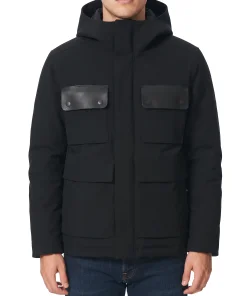
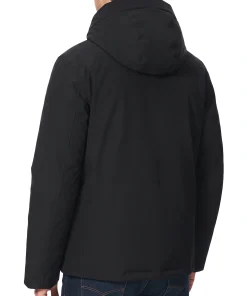
Parka Jackets
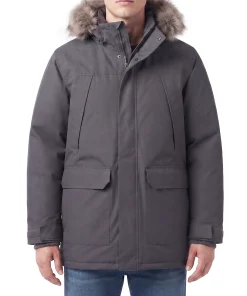
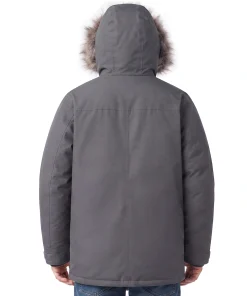
Parka Jackets
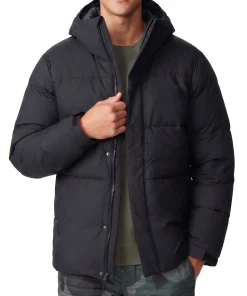
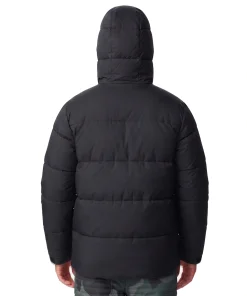
Parka Jackets
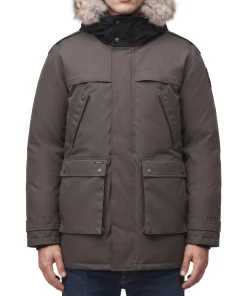
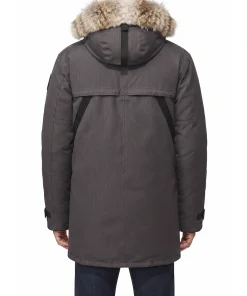
Parka Jackets
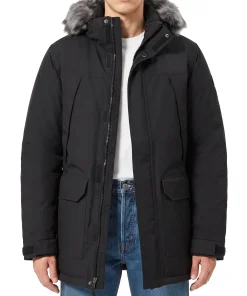
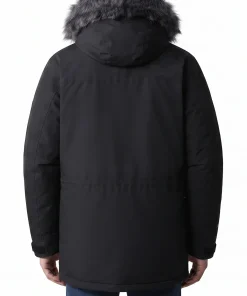
Parka Jackets
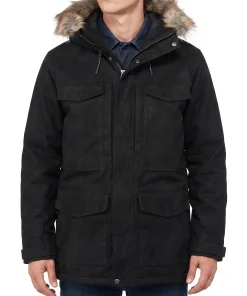
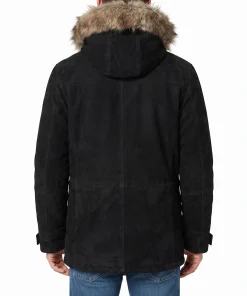
Parka Jackets
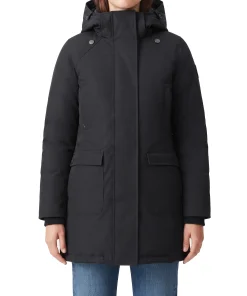
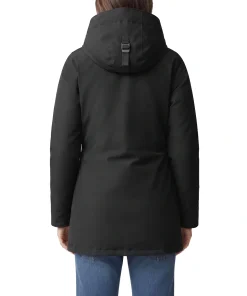
Parka Jackets
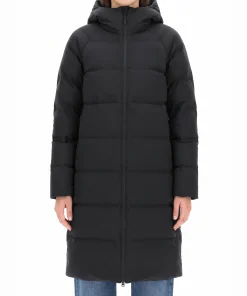
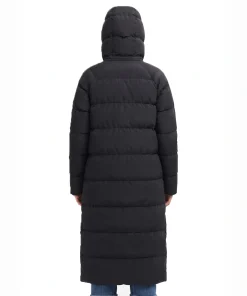
Parka Jackets
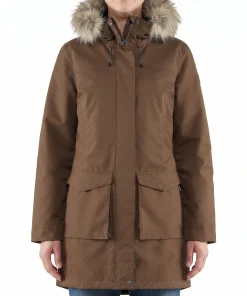
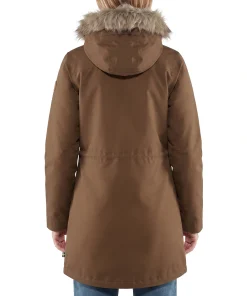
Parka Jackets
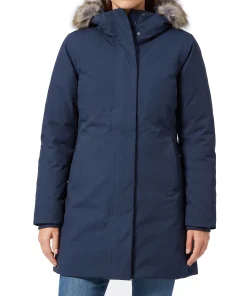
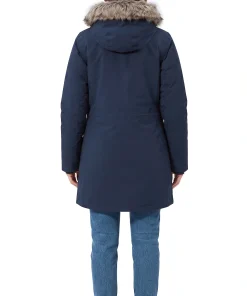
Parka Jackets
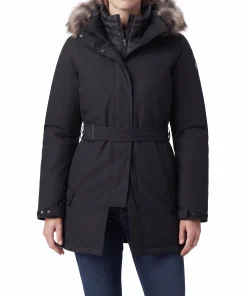
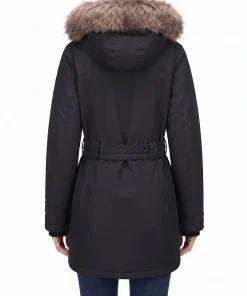
Parka Jackets
What is a Parka Jacket?
A parka is a hooded winter coat cut long enough to cover the hips and usually the thighs, with insulation through the body and sleeves and some form of weather protection on the outer fabric.
The design comes from the Inuit and Caribou Inuit peoples of the Arctic, who built hooded, fur trimmed skin coats for survival in genuine cold. The modern parka keeps three things from that original: the length, the hood, and the fur or faux fur ruff around the hood opening.
Parka versus Coat versus Jacket
These three words get used interchangeably and they do not mean the same thing.
Down or Synthetic Insulation
This is the decision that changes how the coat performs, and there is no universally correct answer.
Down
- Traps more warmth per gram than anything else
- Compresses small for easy packing
- Lasts decades if looked after
Weakness: Wet down clumps, collapses and stops insulating.
Synthetic
- Keeps insulating when damp
- Dries quickly
- Heavier and bulkier for same warmth
Weakness: Does not last as many years as down.
Fill Power, Explained
If a parka is insulated with down you will see a number like 550, 600, 650, 700 or 800. This is fill power and almost every product page quotes it without explaining it.
| Fill Power | Quality Level | What It Means |
|---|---|---|
| 550 – 600 | Solid everyday | Good quality, reliable warmth |
| 650 – 700 | Good quality | Better loft, lighter feel |
| 800+ | Premium | Lightest, most compressible, most expensive |
Waterproof or Water Repellent
Almost every parka claims some form of weather protection and the wording is doing a lot of work.
| Feature | Water Repellent | Waterproof |
|---|---|---|
| How it works | Coating on outer fabric (DWR finish) | Bonded membrane + taped seams |
| Best for | Light rain, snow, cold dry climates | Sustained rain, wet climates |
| Rating | No rating needed | 10,000mm is common standard |
How to Choose by Temperature
Temperature ratings on outerwear are marketing estimates, not measurements. Treat them as a ranking rather than a promise.
- Minus 5°C – Autumn coat
- Minus 15°C – Genuine winter coat for a mild winter
- Minus 20° to 25°C – Handles a proper cold snap
- Minus 30°C and below – Expedition territory, too warm for most city use
Fur Hood, Faux Fur, or Nothing
The ruff around a parka hood exists to disrupt wind. Real fur does this best because the hairs are of varying length and move independently, which is exactly what breaks up airflow.
Faux fur does the same job less efficiently but well enough for city use, costs less, and avoids the ethical question entirely.
Fit and Layering
Buy a parka to fit over what you will actually wear under it, which usually means a jumper or a mid layer, not a tee shirt.
- Sleeves: Should reach the wrist bone with your arms down. Slightly past is better than slightly short.
- Length: Hip length is easier to walk and drive in. Mid thigh is significantly warmer. Knee length is the warmest and most restrictive.
Care, Which Most People Get Wrong
Wash your parka far less than you think, and when you do, wash it properly.
- Detach the fur or faux fur ruff before washing anything. Wet faux fur mats permanently.
- Store a parka hanging with space around it. Never compressed in a vacuum bag.
Frequently Asked Questions
Everything you need to know about parka jackets
A parka is a hooded, insulated winter coat that covers the hips and usually the thighs. The length, the hood and the weather protection are what separate it from a puffer or a bomber. The design comes from Arctic Inuit clothing, including the fur ruff around the hood that breaks up wind before it reaches your face.
Every parka is a coat, but not every coat is a parka. A coat is simply any outer layer that goes past the waist. A parka is a specific kind of coat: hooded, insulated and built for cold weather. A wool overcoat is a coat but not a parka.
Some are, many are not. Water repellent means a coating that beads off light rain and wears away over time. Waterproof means a bonded membrane with taped seams, and brands usually quote a rating such as 10,000mm. Check for the words seam sealed, which is the reliable signal.
Yes, and often warmer than people need. A parka rated to minus 15 degrees Celsius handles a mild winter comfortably. Minus 30 is expedition warmth and will be too much for most city use. Buying more warmth than you need usually means the coat stays on the hook.
Fill power measures how much one ounce of down expands, so it tells you the quality and loft of the down rather than how warm the coat is. A 600 fill parka with plenty of down beats an 800 fill parka with very little. Higher fill power mainly buys you less weight and less bulk.
Down is warmer per gram, lasts longer and packs smaller, but it fails when it gets wet. Synthetic is bulkier and shorter lived but keeps insulating when damp and dries fast. Buy down for cold dry winters and synthetic or a hybrid for wet ones.
Use a specialist down wash rather than normal detergent, which strips the oils that keep down lofted. Machine wash gentle, then tumble dry low with a few clean tennis balls to break up clumps, over several cycles. Always detach the fur ruff first, and never put a parka away damp.
Size to fit over the mid layer you will actually wear, usually a jumper rather than a tee. Check the shoulder first, because insulation adds bulk everywhere and a parka that fits the shoulder will normally work through the body.